 Mattresses
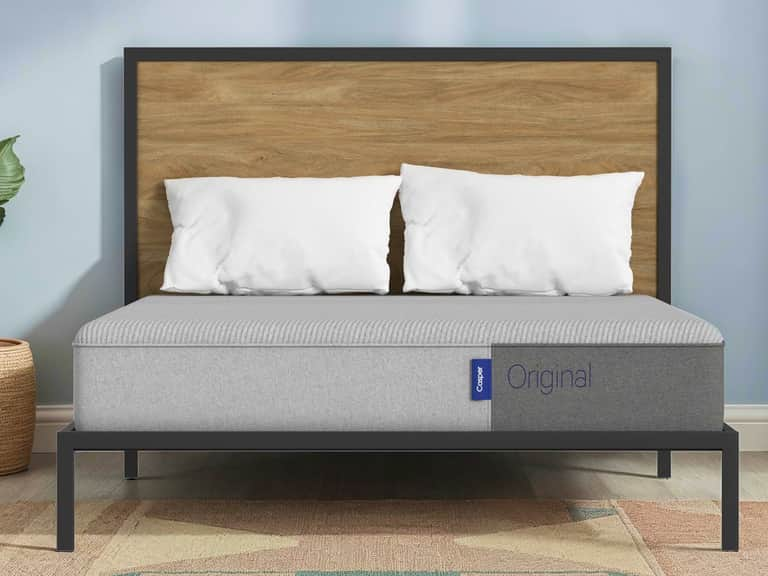
Original Mattress
Sleep cooler and cradled by responsive foam that hugs your curves, with three zones guiding your spine for balanced, ergonomic support from first touch to morning.
Foam mattresses are constructed to deliver uniform support with minimal motion transfer, making them suitable for shared beds and bedrooms with variable sleeping styles. They typically feature layered foams, including comfort foams and support foams, to balance contouring comfort with structural integrity. The foam composition influences durability, temperature regulation, and overall feel, guiding selection for specific sleeping preferences.
The Original Mattress in this category emphasizes pressure relief and sinking contour, often using memory foam or advanced polyfoam blends. Benefits include improved spinal alignment and reduced partner disturbance, while maintaining a stable, breathable sleep surface. These design characteristics support a restful night across a range of body weights and sleeping positions.
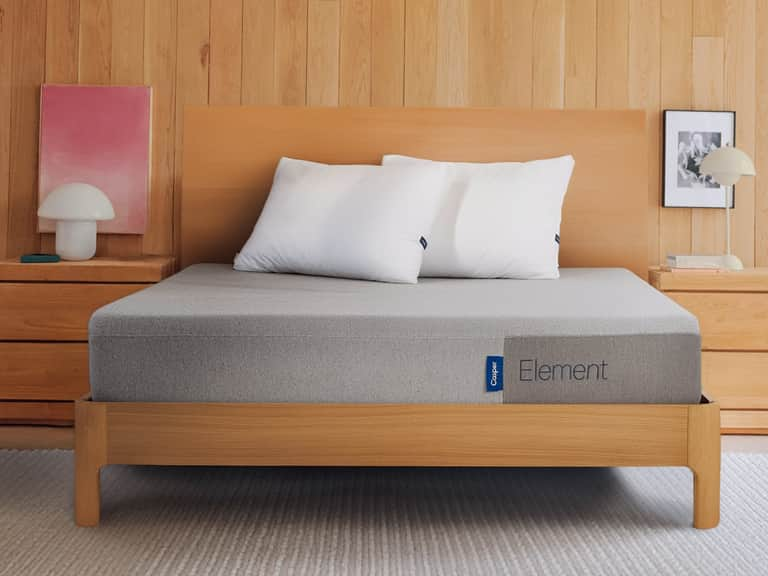
The Element Mattress focuses on a responsive foam profile that adapts to movement without sacrificing support. Key features commonly include zoned support or transition layers to address different body regions, enhancing comfort in shoulders, hips, and lower back. Such design aims to promote neutral alignment and reduce localized pressure points during sleep.
In educational terms, foam mattresses contribute to low maintenance care, often requiring simple surface rotation and spot cleaning. They can be formulated to include breathable covers and open-cell foams to enhance airflow, helping regulate temperature. Understanding foam density, ILD (indentation load deflection), and indentation resilience informs durability expectations over time.
For bedding considerations, foam mattresses interact with pillows, sheets, and bed bases to influence sleep quality. When evaluating materials, look for certifications and compatibility with adjustable beds, since foam systems can pair effectively with height-adjustable foundations. This category complements organic mattresses discussions and supports informed decisions in internal sleep ecosystems.
Mattresses
 Mattresses